


Switzerland’s Quiet Pipeline: How the Alpine Nation Develops Elite Golf Talent
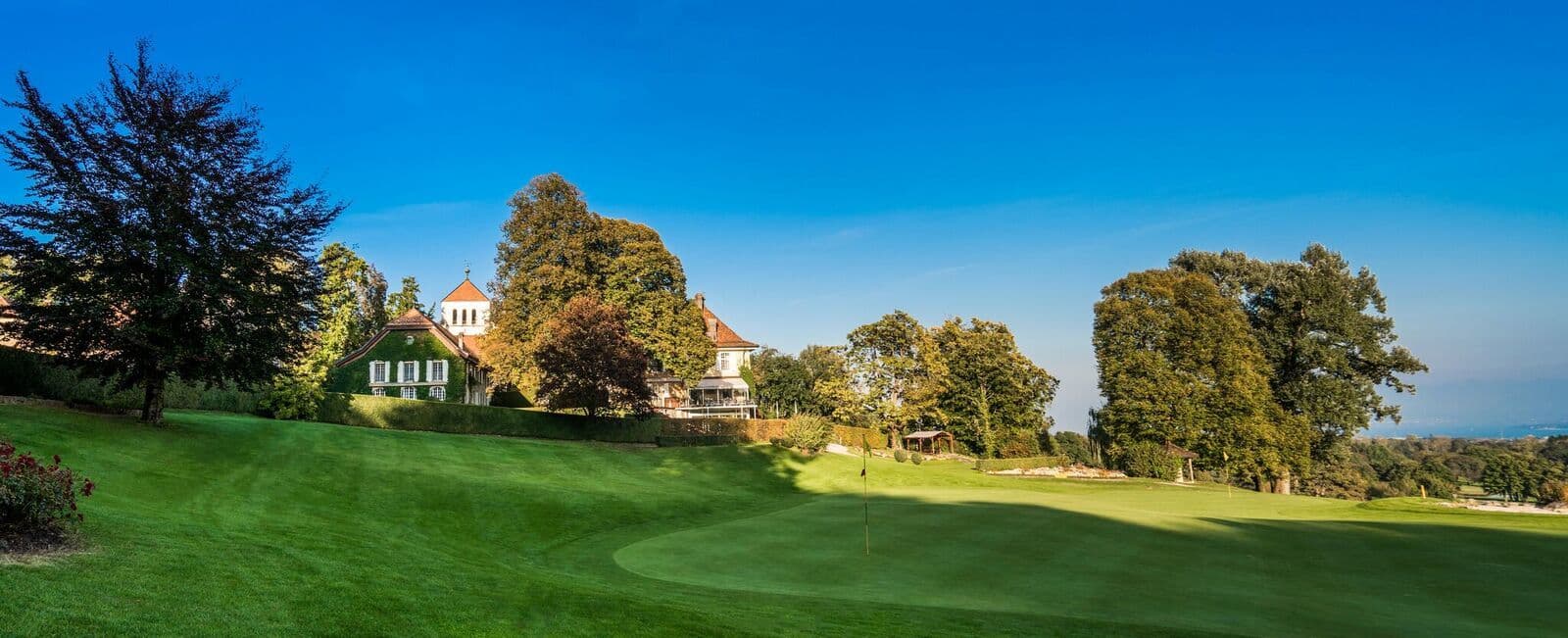
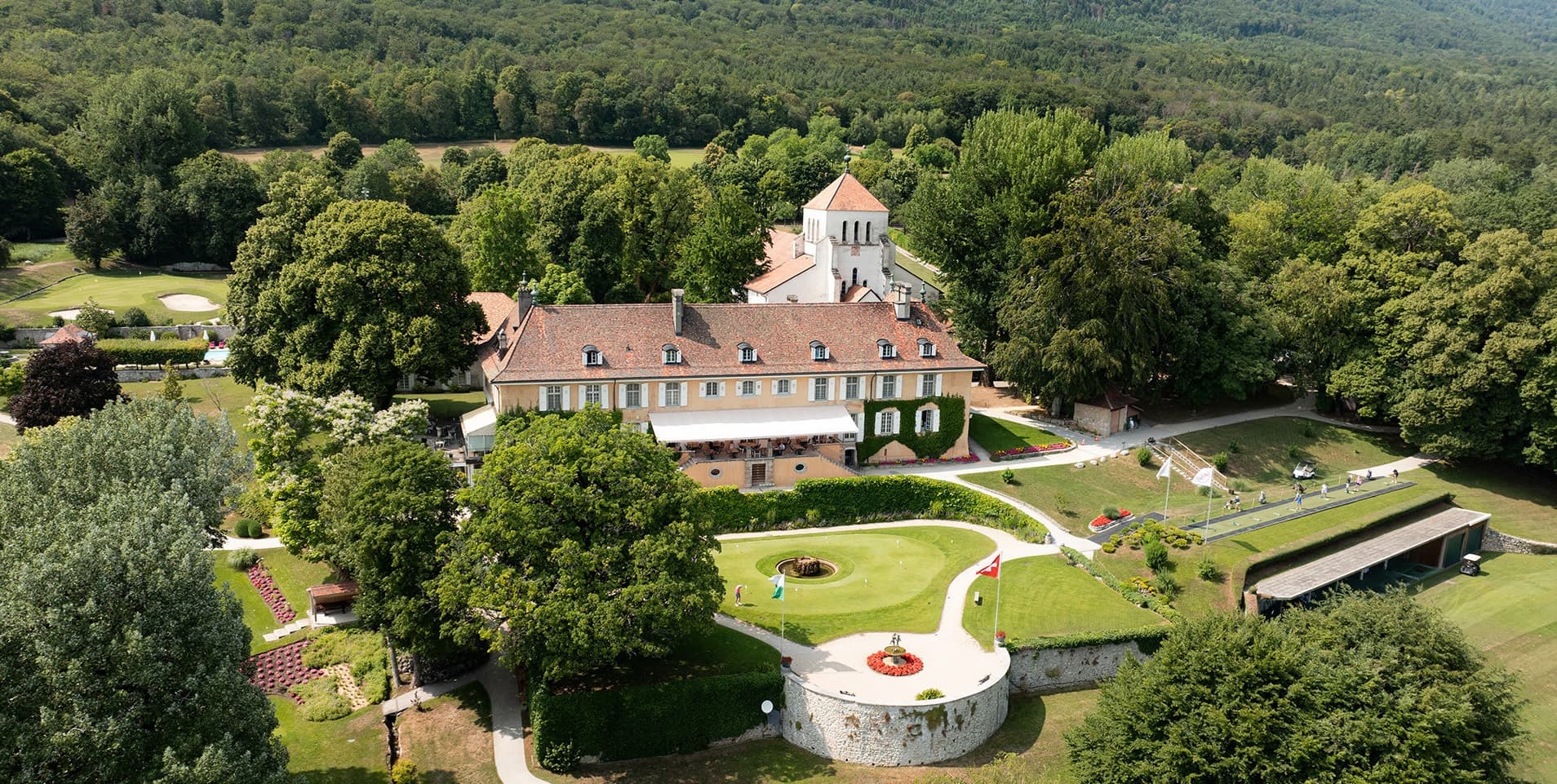
Historically, Swiss golf developed through private clubs rather than a large national participation base. Courses such as Golf Club Crans-sur-Sierre—home of the long-running Omega European Masters—provided a window into elite professional golf for Swiss players and fans alike. The tournament has served as one of Europe’s most iconic Alpine events since the early 20th century, regularly exposing young Swiss golfers to DP World Tour competition and global stars.
In the 1980s and 1990s, Switzerland began to produce its first internationally recognized professionals. Players such as Evelyn Orley, who won the 1983 Girls Amateur Championship before competing collegiately at Duke University and later on the LPGA Tour and Ladies European Tour, demonstrated the viability of the U.S. college pathway for Swiss players.
Similarly, André Bossert, a Swiss professional who competed on the European Tour and Challenge Tour, represented an early generation of Swiss players gaining international competitive experience after collegiate golf in the United States.
These pioneers established a template still common today: junior development at Swiss clubs, national team experience, and then collegiate competition in the United States before turning professional.
Federation-Led Development
The modern era of Swiss golf development is largely coordinated by Swiss Golf, the national governing body. The federation oversees junior national teams, competitive tours, and regional training programs designed to move players from introductory golf through elite amateur competition.
A key pillar is the Swiss Golf Junior Tour, a national series for U18 players that provides ranking points and a competitive platform similar to other European junior circuits. Events are staged across the country and are often recognized by the European Golf Ranking system, giving top players international amateur visibility.
Swiss Golf’s junior calendar now includes structured competitions across multiple age groups—from U10 and U12 development events through U14, U16, and U18 national championships.
The federation has also recently introduced additional youth initiatives, including a national U14 championship designed to broaden access and build competitive pathways earlier in a player’s development.
Alongside the federation, the Swiss PGA contributes to the development pipeline through a multi-year education system for coaches, developed in partnership with Swiss Golf and the national Youth and Sport program (J+S). This framework integrates modern technology and coaching methods to support both grassroots and elite player development.
From Junior Golf to NCAA Programs
For elite Swiss juniors, the pathway frequently extends beyond Europe. The United States collegiate system has become a crucial step for many top Swiss players seeking higher-level competition and academic opportunities.
For example, former national team player Roger Furrer progressed from Swiss junior golf to competing internationally before earning a scholarship to a U.S. college program in Augusta, Georgia.
More recently, Swiss golfers have increasingly used NCAA programs to refine their games before turning professional. One prominent example is Chiara Tamburlini, who competed for the University of Mississippi and helped the team win the 2021 NCAA Division I Women’s Golf Championship. After turning professional in 2023, she quickly emerged as one of Europe’s rising stars, winning multiple events on the Ladies European Tour and becoming the first Swiss player to claim the LET Order of Merit.
Modern Swiss Professionals
On the men’s side, players like Joel Girrbach represent the modern Swiss professional archetype. Girrbach began playing golf at eight, won the Swiss Junior Championship in 2011, and progressed through the amateur ranks before turning professional in 2015 and eventually earning a place on the DP World Tour.
Meanwhile, former professionals such as Nora Angehrn continue to contribute to Swiss golf by coaching and working with the federation’s elite junior programs, ensuring that experience from the professional ranks feeds back into youth development.
A Small Nation, A Growing System
Despite Switzerland’s relatively small player base compared to major golf nations, its development system has become increasingly structured and internationally connected. Federation-run junior tours, strong club cultures, elite coaching programs, and the NCAA pathway now form a clear progression from junior golf to the professional ranks.
With rising stars emerging from both European and American collegiate systems, Switzerland’s golf pipeline appears stronger than ever. The country may never rival the participation numbers of larger golf nations, but its steadily improving infrastructure suggests that Swiss talent will continue to make an impact on amateur leaderboards—and professional tours—in the years ahead.